– ‘Rotundapp’ is now available to download –

 The Rotunda Hospital, the world’s longest running maternity hospital, has today announced the launch of a new maternity and neonatal app demonstrating the hospitals commitment in innovation. ‘Rotundapp’ is the first app of its kind to be launched by an Irish maternity hospital and focuses on all aspects of pregnancy care, including a specialist neonatal information pack for parents of babies in the Neonatal Intensive Care Unit (NICU). This innovative app delivers on the key strategic principles of the hospital’s Strategic Plan 2017-2021 by enhancing the patient experience for every woman that avails of services in the Hospital.

TheRotundapp’ provides relevant, integrated information to encourage women to become more engaged with their healthcare and wellbeing during their pregnancy. The app acts as a digital platform to deliver targeted and medically accurate information to women from preconception through to 6 weeks postpartum. It will complement the existing patient information leaflets that are provided by the hospital, enabling patients to have immediate access to information and an instant connection to advice from medical experts.

Commenting on the launch of ‘Rotundapp’, Professor Fergal Malone, Master of the Rotunda Hospital said: “We are delighted to announce the launch of ‘Rotundapp’. The app is designed to provide parents with easy access to information on the go. The new platform provides a wealth of information and advice on a wide range of relevant topics, from preconception right through to birth and post-natal care, ensuring continuity of care for our patients. The digital era patient is accustomed to having information at their fingertips and the ‘Rotundapp’ highlights our commitment to leading the way in digital innovation in the maternity space.

The maternity information pack includes advice on:

  • Staying healthy during pregnancy
  • Body response & infant development
  • Care options for pregnant women
  • Antenatal care
  • Pregnancy information and support
  • Problems and concerns in pregnancy

Professor Malone concludes: “In recent years, there has been an increase in the availability of medical information and advice online. The ‘Rotundapp’ is designed to ensure women and their families are receiving accurate and factually correct information from verified medical professionals.

Rotundapp is available on iOS via the App Store and on Android via Google Play

The Rotunda Hospital now offers a one hour antenatal nutrition class with our expert team of Dietitians. The class is for all expectant mums attending the Rotunda, and takes place on Wednesdays at 1.00pm in Classroom 2 in the School of Midwifery.

This class includes information on:
• Healthy diet for pregnancy
• Food safety
• Nutritional supplements
• Morning sickness, heartburn, constipation, gestational diabetes and much more!

Once you are registered to attend the Rotunda Hospital you can phone (01) 873 0596 to book into the class at any stage in your pregnancy (the earlier the better!).

The Rotunda Hospital will accept GP referrals for termination of pregnancy services from 2nd January 2019. A dedicated phone line will be manned from 2nd January onwards to schedule appointments.

Patients who are between 9 and 12 weeks’ gestation seeking medical termination of pregnancy (MTOP) can access this service.

Patients must contact the ‘My Options’ national helpline on 1800 828 010 and be directed to a GP in their locality in the first instance. ‘My Options’ is a new HSE helpline that can give patients free and confidential counselling.

For more information, please visit rotunda.ie/crisis-pregnancy


[This article was updated on 20/02/2019 to reflect changes in restrictions on catchment area and gestational age.]

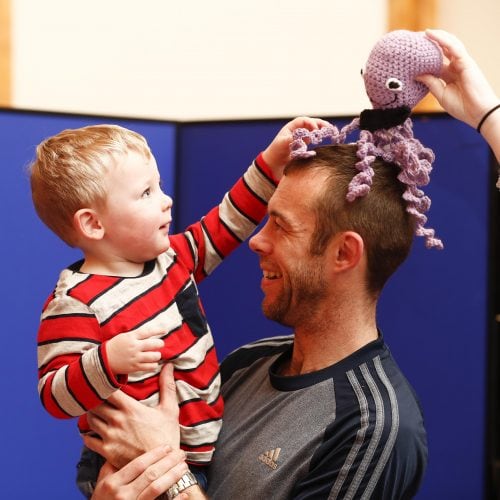
To celebrate premature infants born at Dublin’s Rotunda Hospital and to applaud their strength and tenacity, the Rotunda Foundation hosted a party in their honour on Thursday 15th November.  All babies born in 2016 who weighed less than 1500 grams along with their parents and siblings will join together to celebrate World Prematurity Day and also to mark a successful year of “Tentacles for Tinies”, a pilot project launched by the Rotunda Hospital last year.

The Rotunda Hospital also announced the hospital’s 2017 Annual Clinical Report, which shows that in 2017 the survival rate of normal babies born premature at 28 weeks or later was 100%.

Commenting on these superb outcome results, Master of the Rotunda Hospital, Professor Fergal Malone said “I am delighted to announce these results on World Prematurity Day, which is one of the most important days in the year to raise awareness of the challenges that families face as result of a preterm birth. One of the main risk factors for preterm birth is having delivered preterm in a prior pregnancy followed by medical complications such as blood pressure problems during pregnancy or poor fetal growth. The team at the Rotunda utilizes the latest cutting edge research to optimize the early diagnosis of preterm birth, preeclampsia and fetal growth restriction. Combined with significant improvements in integrated obstetric and neonatal care, this underpins these excellent outcome results for some of our most vulnerable babies. More families than ever now have healthy surviving babies because of continued advances in obstetric and neonatal care at the Rotunda.”

Coverage of World Prematurity Day and our celebrations

RTE Radio One Drivetime

Weekend AM

Some photos from the day!


Welcome to The Rotunda, the world’s longest running maternity hospital where close to one million Dubliners have been born and some 24 new babies are added to that number every day.

It’s a place of extreme highs and devastating lows. Agony and ecstasy, all happening second to second. Come behind closed doors with parents and staff as they meet in the most intimate of ways, experiencing moments that will change their lives and be remembered and retold for generations to come.

Over the course of 2018, Scratch Films and RTÉ followed the comings and goings of The Rotunda hospital in Dublin, 24 hours a day for a total of 21 days. It’s one of the most active maternity hospitals in all of Europe and the resulting series encapsulates a multitude of emotions that are part and parcel of the everyday life of this Irish institution. From euphoric highs to devastating lows.

Throughout, however, it is the humanity of the staff that shines through as we meet couples and learn about their own story together and share with them their personal experiences of bringing new life into the world.

The first episode airs Thursday 13th September, at 9.30pm on RTE 2.

In this episode, Grandmother to 18, Kay, accompanies her daughter Nicola in the labour ward in the hope of the safe arrival of baby Lar, who is to be named after his recently deceased grandfather. Also featured are young engaged couple Shauna and Daryl who are expecting their first child together and Monaghan couple Áine and Arno who have just discovered that their child in the womb has a life threatening condition that may mean he might not survive.

Watch it live on RTE Player

Latest figures show an increase in breastfeeding initiation rates

To celebrate World Breastfeeding Week, August 1st – 7th, The Rotunda Hospital is celebrating a welcomed increase in breastfeeding initiation rates. Figures for 2017 reveal that the rate of new mothers breastfeeding following delivery at the hospital was the highest so far this century, with 73% initiating breastfeeding.

Commenting on this reassuring and positive step in the right direction, Master of The Rotunda Hospital, Professor Fergal Malone said: “The Rotunda Hospital recommends breastfeeding because it is the best start in life for babies and is encouraging new mothers who might be experiencing any difficulties at home to contact the hospital’s experienced lactation midwives. Some mothers find it difficult to establish a successful breastfeeding routine for a number of different reasons but with additional help, support and encouragement a number of these difficulties can be overcome.”

The Hospital is attributing this slow but steady increase in the number of mothers initiating breastfeeding to improved awareness and education and initial support from hospital staff.

However, despite this increase, the percentage of mothers breastfeeding declines steeply within the first few weeks of a baby’s life, before breastfeeding is fully established. Professor Malone believes that his own hospital and all the maternity hospitals in the country have a crucial role to play in those first few weeks by offering women excellent post-natal support and guidance. He said that, “Ireland has a long way to go in boosting the long term rate of breastfeeding and while this is the responsibility of the maternity hospitals, it is also the responsibility of society as a whole.”

Some of the main reasons given for not continuing to breastfeed following the first few days and weeks include insufficient milk supply; fatigue; difficulty with breastfeeding technique; nipple pain and poor latch; lack of freedom; return to work; not wanting to breastfeed and embarrassment as a result of negative societal attitudes towards breastfeeding.

These reasons outlined highlight the need in Maternity Hospitals for evidence based intervention regarding education, counselling and support programmes. These include antenatal, intrapartum and extended postnatal period in order to improve breastfeeding rates in Ireland. Unicef/WHO/BFI (Baby-friendly Initiative) structured programmes in hospitals, early mother and baby skin to skin contact, rooming in and avoidance of supplementation have been shown to be effective.

Also the roles for dads, partners, family members and society in general have in helping a new mother on her breastfeeding journey.

For example, Dads, partners, friends and family can help breastfeeding mums by:

  • Giving encouragement and support;
  • Preparing drinks, snacks and meals. When dad returns to work, he can help mum by leaving out breakfast, water and other essentials she might need;
  • Assisting with bathing and nappy changing;
  • Helping out with housework, laundry, grocery shopping and cooking;
  • Minding and entertaining older children; and knowing where to get breastfeeding information and support.
Breastfeeding facts and stats:
  • Children who do not breastfeed have a higher incidence and severity of many illnesses including respiratory tract and urinary tract infection, gastroenteritis, otitis media, diabetes, SIDS, and childhood cancers.
  • Breastfeeding is a protective factor against obesity in children. The protective role of breastfeeding extends beyond childhood and prevents chronic diseases in adulthood including diabetes.
  • It reduces risk of Type 1 and 2 diabetes.
  • It reduces a mother’s risk of breast cancer, ovarian cancer and diabetes.
  • It is vital in preventing Necrotising Enterocolitis (NEC) in preterm infants, which is associated with increased morbidity and mortality and neurodevelopmental impairment.

Rotunda Hospital patients are encouraged to attend free breastfeeding workshops on Tuesday and Thursday evenings during pregnancy from 28 weeks onwards, early booking is advisable as places are limited. All Rotunda midwives are trained for supporting new breastfeeding mothers in the early days. Lactation specialists are available by referral and for breastfeeding support following discharge.

References: Health Research Board (HRB) / Breastfeeding in healthy Ireland / *Victora et Al, 2016, The Lancet

A fundraiser luncheon, held in Cliff Townhouse on 8th June, raised money for a new research initiative, ‘SoundStart’, from the Royal College of Surgeons in Ireland Department of Obstetrics and Gynaecology, based in the Rotunda Hospital.

‘SoundStart’ is an obstetric ultrasound research and training programme aimed at building on the world-class work that is being carried out in the field of ultrasound research, in parallel with offering training opportunities to sonographers from all over Ireland.

Ultrasound has become the cornerstone of fetal medicine. For sick or at-risk babies, the pathway from fetal life to birth can be unpredictable. The ‘Sound Start’ Programme aims to explore this fascinating transition, in order to improve outcomes for mothers and babies.

Ultrasound is a technology that uses high frequency sound waves to create images, and it is safe to use in pregnancy, because no radiation is involved. With advancing technology, there is a wealth of information that can be gathered about fetal health.

Ultrasound helps answer major fetal health questions, like: Is this baby expected to need attention from neonatologists after birth, and if so, where and when should this baby be born? What is the best way for this baby to be delivered, that minimises risk for mother and for baby?

A critically important aspect of the Sound Start programme is to improve the provision of quality prenatal ultrasound services at a national level.

Prof. Fionnuala Breathnach, the pioneer behind SoundStart, says;

“Working at the Rotunda Hospital, we are continually reminded of the absence of fetal anatomy scan services in many maternity units around the country. We consider it to be a fundamental component of pregnancy care that all women are offered the opportunity to obtain a detailed scan that can detect fetal problems that will critically determine the health of that baby at birth. It remains a glaring disparity in women’s health in Ireland today that such a service in many parts of the country is only available to informed women with the means to pay for an anatomy scan.”

The ‘SoundStart’ programme hopes to provide training opportunities for sonographers, through providing access to up-to-date ultrasound equipment and learning tools in a manner that will facilitate the development of regional scanning services. The money raised through fundraising through the Rotunda Foundation will be used to equip a dedicated research ultrasound suite. This suite will allow doctors, sonographers and midwives to attend training in high-end fetal ultrasound examination.

[Update 11.00 04/03/2018]

Rotunda Hospital: Update Sunday March 4th 2018

The Rotunda Hospital has and remains fully operational for all maternity services.  All maternity services including out patients will be operational as normal on Monday March 5th.  Patients should attend all scheduled clinics as normal.

  • All Gynaecology Out Patient appointments have been cancelled for Monday March 5th. Patients will be contacted to reschedule.
  • All Elective Gynaecology Surgery and Elective C-Sections will be going ahead as scheduled on Monday March 5th.

If patients urgently require attendance at the hospital they should contact the ambulance service.

There were 18 deliveries over the last 24 hours and 31 patients have been safely discharged.

The dedication and diligence of staff across all disciplines to the Rotunda service who have made their way to work over the last four days and many who have stayed on site for the same period has been brilliant and is testament to the Rotunda ethos of continuing to provide care for those in need.


[Update 12.00 02/03/2018]

Rotunda Hospital: Storm Emma Update: Closure and Cancellations

The Rotunda Hospital remains fully operational for maternity services.

Operational Services will be Labour wards, Theatre and ER. Emergency cases will be cared for as normal.

All out patient appointments have been cancelled on Friday March 2nd.

If patients urgently require attendance at the hospital they should contact the ambulance service.

As the storm is expected to continue over the weekend: The following is being applied for Monday March 5th.

  • Obstetric Services as normal including OPD, inpatient and Theatre
  • All Gynaecology Out Patient appointments have been cancelled for Monday March 5th. Patients will be contacted to reschedule.


[Update 18.00 28/02/2018]

Rotunda Hospital: Closure and Cancellations

There is a clear instruction from Government that everyone should be off the streets from 4pm Thursday until noon Friday. In the interest of public safety therefore we have no option but to close the Rotunda Out Patient’s Department from 2.00pm Thursday March 1st and all day Friday March 2nd.

All appointments will be cancelled and rescheduled.

Any urgent appointments will be contacted and accommodated on Thursday up to 2pm.

Operational Services will be Labour wards, Theatre and ER. Emergency cases will be cared for as normal

If patients urgently require attendance at the hospital they should contact the ambulance service.


[Update 12.00pm 28/02/2018]

The Rotunda Hospital has considered the impact of the deteriorating weather forecast and now advise as follows

  • All maternity clinics will  continue but women are advised to contact us if they cannot attend
  • Elective Gynaecology outpatient and surgery is cancelled for Thursday 1st March and Friday 2nd March
  • Non urgent baby review clinics are cancelled but if your baby is due for a blood test or a weight check please attend or contact us to discuss rescheduling
  • Physiotherapy clinics are cancelled
  • Parent Education Classes are cancelled

All emergency and maternity services are operating as normal in the Hospital. In any emergency situation please dial 999 for assistance.

New appointments will be issued to all patients who are cancelled or who notify us that they cannot attend over the next few days.

As always, call us on 01 817 1700 if you have any questions or concerns.

You can keep up to date with us, and the HSE, online at hse.ie/weatherwarning , and on Twitter @hselive & @RotundaHospital

A Rotunda Hospital initiative providing lactation support for premature babies has been awarded Patient Education Project of the Year at the Irish Healthcare Awards 2017.

The winners were announced at a glittering gala event held in Dublin’s historic Round Room at the Mansion House on November 16th 2017, presented by broadcaster and journalist Chris Donoghue.

The aim of this initiative was the targeted provision of lactation support for mothers of premature babies within the Neonatal unit (NICU) to improve provision of mothers own milk (recognised worldwide as “liquid gold”) for these vulnerable babies. Mothers were surveyed on their understanding of the importance of breastmilk for their preterm babies. An information pack was prepared and where possible women were visited antenatally. Support was provided to express prenatally, or within the first hour of birth and an education update given to all staff. As a result the timely provision of mothers own milk for preterm babies increased from 32% to 60% over 3 months.

The Rotunda Hospital Perinatal Mental Health team were also commended on the night in the Public Health Initiative of the Year category for their project, ‘Introducing early screening for postnatal depression using the Edinburgh Postnatal Depression Scale (EPDS)’

This initiative developed and delivered an educational and training programme to introduce early screening for postnatal depression (PND) using the EPDS to Cavan General Hospital and Our Lady of Lourdes maternity services over a series of workshops delivered by the Rotunda Mental Health team. Since August 2017 there is now a standardised screening programme in place in the RCSI Hospital group, an increase in awareness across health professionals of PND and a care pathway for women that score highly on the EPDS.

Congratulations to all involved!

The Rotunda Hospital, Dublin, the oldest continuously operating maternity hospital in the world is delighted to announce that it is the first Dublin maternity hospital to introduce a full electronic health record (EHR) for all newborn babies and women receiving maternity services at the hospital. The Maternal & Newborn Clinical Management System (MN-CMS), a national system which will be implemented in all 19 maternity units across the country will enhance care as all patients will have an electronic record instead of a paper record, allowing clinical record information to be shared with relevant providers of care, as and when required.

Professor Fergal Malone, Master, Rotunda Hospital, said: “We are very proud to announce that the Rotunda Hospital is the first Dublin maternity hospital and the third hospital nationally, to introduce the Maternal & Newborn Clinical Management System (MN-CMS). The Rotunda is the first stand-alone hospital to go completely electronic in terms of its maternity health care records, which has the potential to offer great efficiencies for patients and healthcare providers. We anticipate even further advances in terms of patient safety and satisfaction over and above our existing services. This successful launch is a result of the collaboration, dedication and teamwork of many staff within the hospital, the HSE, Cerner and maternity services nationally.”

Minister for Health, Simon Harris TD, said: “I’m delighted that Ireland’s oldest maternity hospital is its newest digitally enabled hospital.   This is the latest hospital to be included in the MN-CMS project, following the already successful introduction in Cork University Maternity Hospital and University Hospital Kerry.  The electronic health record for mothers and babies was endorsed in the National Maternity Strategy and supports better, safer clinical decision-making and facilitates the provision of a more connected health service delivering improved health outcomes.  The roll out of MN-CMS to the Rotunda Hospital marks a very significant development in the delivery of maternity care.”

Ms Helen Byrne, Chair MN-CMS Project Board; Head of Planning & Performance Acute Hospitals Division said; “The implementation of MN-CMS in the Rotunda Hospital marks an important and exciting milestone in the lifecycle of the project. I want to acknowledge the hard work of all the staff who have made this possible. Their commitment to this project demonstrates unfailing commitment to the provision of safe, high quality and nationally consistent maternity services for the benefit of women and babies”.

Jane Carolan, Interim CIO HSE said; “This is another important step in our Electronic Health journey, MN-CMS is one of eHealth Irelands flagship programmes. This is a significant investment in modernising the service through the deployment of technology which directly improves patient care. The go live is another step in the journey for the Rotunda Hospital, a hospital with a fantastic history and exciting future – Welcome to the Digital World” 

Among the first newborns at the Rotunda Hospital to have their own electronic health records from birth are Baby Martin Avolese weighting 6lbs 7oz born to parents Mariangela Toma & Martin Avolese from Raheny, Dublin 5 and Baby Freya Grace Harran weighing 7lbs 14oz born to parents Martina Melia & Paul Harran from Balbriggan, Co. Dublin

The system has been specifically tailored for the Irish healthcare system with clinicians completing a full clinical validation of the design and build of the MN-CMS.

For more information visit http://www.ehealthireland.ie/Strategic-Programmes/MNCMS/