
Postnatal Care
Our postnatal care services are here to support you during this important period, offering expert clinical care, practical guidance and compassionate support for you and your family.
Our postnatal care services are here to support you during this important period, offering expert clinical care, practical guidance and compassionate support for you and your family.
When the midwives in the delivery suite are happy that all is well following the birth of your baby, they will transfer you and your baby to the postnatal ward.
When you are admitted to the ward, the midwife will check the sex of your baby with you by opening the nappy, the baby’s identification bands and security tag. It is important to remember that if you try to move your baby outside the ward area your baby’s security tag will set off an alarm. To make sure your baby is safe and secure, they must wear the security tag and identification bands at all times while they are in the hospital. If you notice that a band or the tag has come off please tell a member of the ward staff immediately. They will re-secure it for you.
You will spend the next couple of days in the ward getting to know your baby and preparing for when you leave the hospital to go home. The midwives, student midwives and care assistants on the ward will guide, teach and help you to care for yourself and your baby.
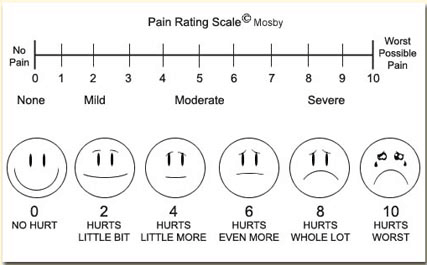
Most women will experience some pain after giving birth. It is very important that your pain is well controlled so you can look after yourself and your new baby.
The following types of pain medication work in different ways and are safe to take together:
– Paracetamol is a very effective pain medication which also reduces fever (high temperature) and inflammation.
– Anti-inflammatories including Ibuprofen or Diclofenac will help reduce levels of chemicals in your body that cause inflammation and pain.
– Opioids such as Oxycodone, Morphine or Codeine are only used if your pain is not well controlled with a combination of other drugs.
Paracetamol
Paracetamol is a very effective pain medication if it is taken at regular intervals. The dose is 1gram (two 500mg tablets) four times a day (maximum dose per day is 4grams or eight tablets) for adults who weigh above 50kgs. If you are taking other medications for pain or over the counter cold and flu remedies, always check with you doctor, midwife or pharmacist if these contain Paracetamol. You should only take one Paracetamol containing product at a time.
Ibuprofen
This can be safely taken with Paracetamol. The usual dose is 400mgs three times a day. Because these tablets can upset your stomach they need to be taken with or soon after food. If you have asthma, Ibuprofen may make it worse. Tell your doctor, midwife or pharmacist if you have asthma or if you are on any other medications as they may interact with Ibuprofen.
Diclofenac
Diclofenac is usually given as a suppository (100mgs once a day). It provides good control of your pain in the days after vaginal delivery or caesarean section. After the first two days you will usually be given Ibuprofen tablets which act in a similar way to Diclofenac. If you have asthma, Diclofenac may make it worse. Tell your doctor, midwife or pharmacist if you have asthma or if you are on any other medications as they may interact with Diclofenac.
Never take Ibuprofen and Diclofenac together.
Opioids
If the above medications do not fully control your pain, stronger Opioid medications will be used. Opioids provide very good pain relief, but they are not used as first-line pain-relievers due to side effects including nausea, vomiting, itch, confusion or dizziness, sweating and constipation.
As opioids may affect your co-ordination or cause drowsiness, you should be careful handling your baby. If you feel very drowsy or short of breath after taking opioids, contact your midwife immediately. You may have to take laxatives while taking opioids to avoid constipation.
Paracetamol, Ibuprofen and Diclofenac are safe for use during breastfeeding. Pain relief medications that contain Codeine or Oxycodone are not routinely prescribed if you are breastfeeding. If you are prescribed these medications and you are breastfeeding you need to tell the midwife or doctor if your baby is difficult to wake, does not feed well, does not gain weight, or appears limp or floppy.
Always be aware when handling your baby that Codeine or Oxycodone can affect your alertness and can make you drowsy which can slow down your movements and reaction times. Take care when standing up from a sitting or lying down position to avoid dizziness.
After an epidural
If you had an epidural during your labour and birth, you will need to stay in bed for at least four to six hours after the birth. This allows the effects of the drugs used in the epidural to wear off completely. Do NOT try to get out of bed by yourself. Even if you think your legs feel normal you may become weak when you stand up. You will be given a call bell so please call us for assistance the first time you want to get out of bed.
Lochia
After the birth of your baby you will lose blood from your vagina. This bleeding is normal and is called ‘lochia’. The lochia can be heavy for a few days but will gradually settle down and usually stops within four to six weeks after the birth. The blood loss is caused by your womb contracting as it returns to the way it was before you were pregnant.
If the bleeding gets very heavy (for example, it soaks a sanitary pad in an hour or less) or if you notice any clots or a bad smell from your lochia please tell the midwife looking after you. This could be the start of an infection or a sign of ‘retained tissue’, which could need treatment.
Breast changes
You will experience breast changes in the days after the birth of your baby whether you are breastfeeding or not. You may notice your breasts become swollen, hard and sometimes sore. However, this period is short because once you have established breastfeeding your body will regulate the milk supply.
If you are not breastfeeding you can help reduce the engorgement by wearing a well-fitting bra. It will also help if you avoid stimulating your breasts so don’t put hot water directly on them while in the shower or bath. Breast engorgement will go after a few days if your baby does not stimulate them by sucking to produce milk.
Care of the perineum
Your perineum is the area between your vagina and back passage. If your baby was born vaginally, you may have stitches that become tighter as the wound begins to heal. This can make sitting down, walking and passing urine uncomfortable. Take regular pain relief.
Wash the perineal area daily as this will help to keep the wound clean. Remember to dry yourself well after washing. There is no need to add any disinfectant or salt to the bath water as research has found bathing in plain water is much better for the healing process. It is also important to change your sanitary towels frequently. Do not use tampons or mooncups for postnatal bleeding, it is normally safe to use these when your normal periods are back.
Even if you did not need any stitches after the birth, you may still experience discomfort and heaviness in your vaginal area. This is normal as you are likely to be bruised and swollen around the vagina. Plenty of rest, a warm bath or shower daily, a good high in protein diet and pelvic floor exercises will all help to heal the area.
Emptying your bladder completely after giving birth is very important. You will be asked to measure how much urine you pass when you go to the toilet for the first couple of times after birth. This is so that we know that you are emptying your bladder completely. You should drink at least 1.5 to 2 litres of fluid a day, or 2 to 3 litres if you are breastfeeding.
Bowel movements
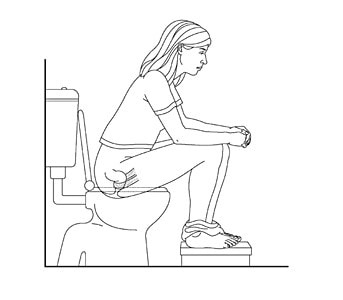
Many women worry about opening their bowels for the first time after the birth. They are scared that their stitches might burst. This will not happen and in fact the sooner you start going to the toilet the better. It may help to place your hand, which is covered with toilet paper, under the vagina to provide some gentle support. If you put this off you may become constipated. To prevent this happening, drink plenty of water and eat high fibre foods such as fruit and vegetables. Gentle exercise will also help. The best position to sit on the toilet is pictured below.
Blood tests
If your blood group is rhesus negative you may need an injection called Anti-D. We will give you this injection within 72 hours of your baby being born.
During your pregnancy your blood will be tested to see if you are immune to rubella (German measles). If you are not immune to rubella, you should attend your GP for the rubella vaccine. If you were identified as not having immunity to chickenpox in pregnancy, you should also discuss vaccination with your GP after pregnancy.
The midwife’s check
The midwife caring for you will carry out a daily postnatal check. They will want to know:
The midwife may also check your breasts, your stomach and, if you have stitches, your perineum. She will ask you if you have pain especially in your legs and she may check your haemoglobin (iron) level by taking a blood sample.
During this daily check the midwife will give you information and advice about taking care of yourself. She will happily answer any questions you may have.
The doctor’s check
If your baby was born by caesarean section or if you had an instrumental (vacuum or forceps) delivery then a doctor will visit you on the postnatal ward.
They will be happy to answer any questions you have about the birth of your baby.
Sometimes, the doctor may advise you to return to the hospital for your six-week check if they think they will need to review you are doing. Otherwise you should visit your GP around this time.
Baby blues
It is common to feel a little low a few days after your baby is born. The ‘baby blues’ describe weepy moments you may have during this time. Feeling overcome, emotional and crying for no apparent reason is a very normal response to the massive change that has happened in your life. You can feel overjoyed and frightened all at the one time. The tears may start for no reason. Don’t be frightened by this, just go with it and have a good cry. As long as every day is not a tearful one you will be fine.
Having support on ‘baby blues’ days can be invaluable. A partner, relative or friend who will cuddle the baby while you have a bath and a cry will seem like a great support to you.
You will be asked to fill out a simple questionnaire called the ‘Edinburgh score’ before leaving the hospital. It will ask you to consider your mood and feelings at the time around the birth of your baby. This is a simple tool we use to identify mothers who are emotionally distressed. When you leave hospital, we pass on the score you received on the questionnaire to your GP and public health nurse (PHN). If you do have negative feelings, talking about them and planning a recovery programme can help prevent postnatal depression.
Immediately after surgery
Once your baby is born and providing you and your baby are both well, the baby can be placed directly on your chest for skin to skin contact. Your partner can hold your baby skin to skin if you are unable to do so at the time of birth. Skin to skin contact with you can be continued or commenced on the postnatal ward.
When you arrive on the postnatal ward after your caesarean section, you will have a drip in your arm, through which you will be getting intravenous fluids. You will have a catheter which will drain urine from your bladder for the first 24 hours and you will pass urine normally within six hours of the catheter being removed. There will be a wound dressing on your abdomen over the caesarean section scar. The drip will be continued until you are able to drink enough fluids to stay hydrated and we are sure that the bleeding is not excessive.
If you had a spinal or epidural you will feel numb from the waist down for up to six hours after surgery. After that time, feeling and sensation will gradually come back into your legs. It is important that you do not try to get out of bed on your own during this time. If you had a general anaesthetic, you may feel groggy and sleepy for the first few hours. You may have a special pump attached to the drip through which you receive pain medication. This is known as patient controlled analgesia and the midwife will show you how to regulate the pump yourself.
During the first few hours after surgery, the midwife will be checking your observations regularly, including your temperature, pulse, blood pressure, respiratory rate and oxygen saturations, the wound dressing for signs of bleeding and your vaginal blood loss. She will encourage you to move your body a little in the bed at least every two hours so that a pressure sore will not develop. You will continue to wear white surgical stockings while in hospital and you will be encouraged to bend and move your legs to help prevent a blood clot developing in your leg.
Diet after surgery
Once you are fully awake after surgery, you will be offered sips of water. Usually you can have tea/coffee and toast about four hours after surgery. If you are feeling ok after this we can stop the intravenous fluids. The catering staff will offer you a daily menu choice. If you would like something other than what is on the menu please ask the catering officer. Fruit or nuts can be a good snack especially when you are breastfeeding. Drink plenty of water to prevent dehydration and constipation.
Care of your wound
The wound must be kept clean and dry to prevent an infection it will remain dressed with a bandage for five days. The midwife will check your wound every day. You may have dissolvable stitches, or clips or beads, which will be removed after five days. Sometimes the doctor may ask that the wound is covered for longer with a “pico” dressing which is a negative pressure dressing, or that the stitches or clips stay in for a longer period this will be discussed on an individualised basis. Wear underwear that come up above your wound, to avoid friction on the wound site. The physiotherapist will visit you after the operation and she will advise you on postnatal exercises.
Caring for your baby
Your baby will stay at your bedside on the postnatal ward, unless your baby needs admission to the neonatal unit. If you are breastfeeding the midwife will help you and show you different positions to hold your baby so that they will not hurt your wound.
Preparing for discharge
You will know the evening before your discharge that you will most likely be going home the following day. Ask your partner, family member or friend to bring in your clothes and the baby’s clothes and car seat for going home. We will try to have you ready for home by 11 am. We will advise you where to go for your six week postnatal check up. Try to feed your baby just before going home as this will help to keep your baby settled while you are travelling and will give you some time to get settled in at home.
It is common to feel tired after the operation, so try to get as much rest as possible at home. Don’t be afraid to accept help from family or friends with caring for your baby.
Immediate care following birth
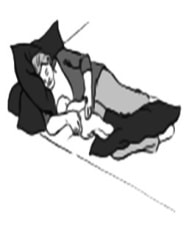
Rest is important to help with your recovery. Rest on your back or side to minimise discomfort, reduce swelling and to take the weight off your pelvic floor. If your perineum is sore when sitting, put a rolled towel or small pillow under each thigh and buttock so that your perineum is not in contact with the chair.
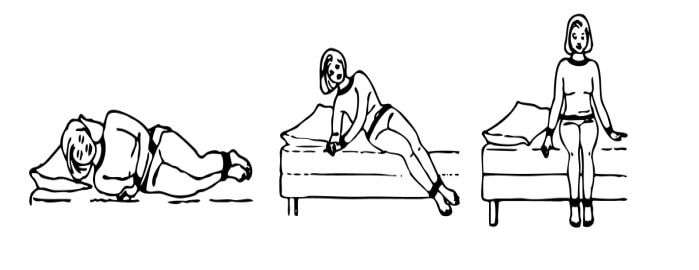
Getting out of bed
Gently pull your lower tummy in. Bend your knees and roll onto your side. Slide your feet over the edge of the bed. Push yourself up to sitting using your elbow and hand.
Getting into bed
Gently pull your lower tummy in. Sit your bottom down square on the bed and then lower your head and shoulders onto the pillow. At the same time lift your legs up onto the bed.
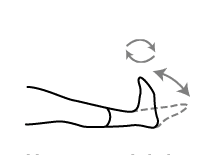
Leg exercises
Move your feet forwards and back and around in circles 20 times every hour while resting in bed.
Pelvic floor and deep abdominal exercises
Pelvic floor and deep abdominal exercises help you return to your pre-pregnancy shape and will help with healing of stitches. They can be safely started 1 – 2 days following the birth of your baby, provided there is no increase in your pain.
Pelvic floor muscles
Pelvic floor muscles are very important as they control the bladder and bowel. During pregnancy they become weakened due to pregnancy hormones and the extra weight of your baby. It is important for all women whether they have a vaginal or caesarean delivery to strengthen their pelvic floor muscles.
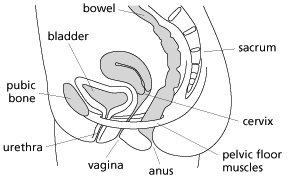
Exercises for your pelvic floor muscles
To begin with, lie on your back with your knees bent and your feet hip width apart or over on your side.
Long holds
Quick holds
The knack
Quickly squeeze and hold your pelvic floor muscles BEFORE coughing, sneezing, laughing and when lifting your baby. This will give you more control of your bladder and will help to keep your muscles strong.
To be effective you need to do your pelvic floor muscle training 3 times a day. If you have any concerns or you are unsure what you are doing, you can come to our postnatal class between 6 and 8 weeks after delivery, or you can make an individual appointment for a pelvic floor assessment in the Rotunda up to 6 months after giving birth, by phoning 01 817 1787.
Pelvic floor muscle exercises – information videos
The physiotherapists in the Rotunda Hospital have made five videos on learning about pelvic floor muscles, doing your pelvic floor muscle exercises, leaking urine and doing exercises after you have your baby.
Leaking urine or wetting yourself when you do not mean to (also known as urinary incontinence), can be treated with pelvic floor muscle exercises (PFME). PFME help reduce symptoms of urinary leakage; in some cases leading to temporary or even permanent relief.
We know from research done at the Rotunda Hospital as part of the MAMMI study, that one in three women leak urine occasionally (less than once per month) before their first pregnancy; one in three first time mothers leak urine once a month or more frequently during pregnancy and as many as one in two first time mothers leak urine 3 months after the birth of their first baby. The numbers are higher in women who have had more than one baby.
The videos can be accessed on our website: www.rotunda.ie and each video is just 3-6 minutes long.
You should empty your bladder within 6 hours of your delivery. If you have difficulty emptying your bladder, talk to your midwife.
Drink 1.5 – 2 litres of fluid during the day (water is preferable to tea and coffee which may irritate your bladder). You need to drink more if you are breastfeeding.
Don’t ignore urges to empty your bowel in the first few weeks. Eat plenty of high fibre foods (e.g. fruit, vegetables).
For comfort when opening your bowels, hold some folded toilet paper over your stitches in front of your back passage. If you had a caesarean section, support your tummy with your hands or a folded towel.
Avoid straining – take your time. Sit leaning forward, with your elbows on your knees, and let your tummy relax. Use a foot stool or lift your heels up off the floor so that your knees are above your hips. Don’t hold your breath.
If you have any leakage from your bladder or bowel, contact the physiotherapy department to make an individual appointment on 01 817 1787.
1. Deep abdominal muscle exercises
Abdominal muscles are important for back support and in maintaining good posture. During pregnancy, your abdominal muscles stretched and became weakened.
Lie on your back, knees bent and feet hip distance apart.
Breathe in: let your tummy rise.
Breathe out: gently tighten your lower abdominal muscles by pulling your lower belly in towards your spine (as if getting into tight trousers).
Keep your upper abdominal muscles relaxed throughout the exercise, breathe normally. Hold the position for 5 seconds.
Repeat 5 times, 3 times a day.
Pull in your deep abdominal muscles during activities like lifting your baby and walking.
As you get stronger, you can do the exercise in sitting, on all fours and when standing. Gradually increase the hold time up to 60 seconds.

2. Knee rolls (start as in exercise 1)
Tighten your lower abdominal muscles, slowly lower both knees to the right as far as is comfortable.
Use your tummy muscles to slowly bring your knees back to the middle and relax there. Repeat to the left.
Repeat 3 times each side, 3 times a day.
Slowly increase your repetitions till you can do 10 each side.
3. Pelvic tilts
Tighten your lower tummy and flatten your lower back into the bed.
Hold for 5-10 seconds and let go.
Repeat 10 times.
Exercises following a caesarean section
The above exercises are helpful in relieving wind discomfort. When coughing firmly support your stitches with your hands or pillow. If you are in bed bend up your knees.
For the first 6 weeks avoid lifting anything heavier than your baby, including doing housework or other strenuous activity.
Sexual intercourse
If you are not experiencing any problems you can start as soon as you feel ready. Choose a comfortable position, use lubrication and start gently. If you have persistent pain or discomfort, contact the physiotherapy department to make an individual appointment by phone 01 817 1787.
Back care
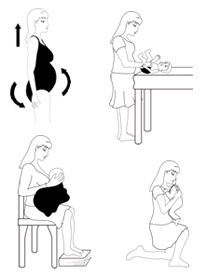
When lifting, bend your knees, keep your back straight and always tighten your pelvic floor and abdominal muscles. Hold the object firmly and close to your body. Make sure your work surfaces are at waist height (e.g. bathing & changing your baby).
Create a supportive position for feeding. Sit well back in the chair, make sure your feet are supported and use pillows help lift the baby up to your breast.
Start gentle walking as pain/discomfort allows; gradually increase your distance and then your speed up to a 30 minute walk each day. You can start swimming when you have had 7 days in a row free from vaginal bleeding or discharge. Wait 3 months or more to return to heavy exercises, sit ups or weights. If you have any leakage of urine or heaviness into the vagina with a particular exercise it means that your pelvic floor muscles are not strong enough yet and it is too early to do the exercise.
Postnatal ‘core and pelvic floor’ exercise class
We recommend that you attend the postnatal exercise class within 6 weeks if you had a vaginal birth and within 8 weeks if you had a caesarean section. It is very important to attend the class if you are having problems with your bladder or bowel control or with back or pelvic pain. It is an opportunity to learn how and when to return to exercise and to meet other mums. You are welcome to bring your baby with you to the class, which is held every Thursday from 11.30 am to 1.00 pm in the physiotherapy department. Please ring 01 817 1787 to make a booking.
You will spend the first few days looking at your baby. You will notice every detail – the colour and texture of their hair, the shape of their hands and feet, and the different expressions on their face. The final colour of your baby’s eyes will not be clear until they are six months old or more. You may notice that your baby’s head appears pointed. This is because while your baby is being born their skull bones overlap. If you had a vacuum delivery, you may also notice a soft round cup mark on top of the baby’s head. Overlapping or a cup-mark are both normal. Don’t worry; by the end of a week your baby’s head will regain the normal round shape.
Your baby needs a clean environment, as they have not yet developed immunity to the many germs in our environment. Always wash your hands after changing your baby’s nappy. Discourage visitors from holding your baby unless their hands are clean. Babies do not like to be handled by lots of people so ask visitors to look but not to lift your baby. Please visit the HSE website for information on RSV and HSV
During your stay in hospital, your baby will stay in the cot by your bed. Keep your baby in the cot when changing nappies or dressing them. Do not put your baby on your bed at any time, as there is a risk of the baby falling off.
The doctor’s check
While you are in hospital, the midwives and doctors will check your baby’s health and wellbeing. Like you, your baby will have a daily check with the midwife. She will ask you about your baby’s feeding pattern and whether they are having wet and dirty nappies. The midwife will also check the colour of your baby’s skin for a yellow discolouration called jaundice. She will discuss your baby’s sleeping pattern with you.
The midwife will examine the umbilical cord to make sure it is clean and dry. The midwife or care assistant will show you how to bath your baby, change the nappy, care for baby’s delicate skin and how to look after the umbilical cord.
We will give you advice and support about aspects of feeding while in hospital. If you are formula feeding the midwife will show you how to sterilise bottles and how to safely make up feeds.
Before you go home, either a doctor from the paediatric team or a midwife will carry out a thorough physical examination of your baby. They will put a probe on your baby’s hand or foot to check their oxygen levels. They will check your baby’s hips by gently bending the legs upwards and then rotating the hips outwards; this test will detect a dislocated or ‘clicky hip’. Clicky hips are a common problem that can be corrected easily while the baby is young and therefore prevent long-term damage.
Care of umbilical cord stump
The umbilical cord stump and clamp usually stay in place for about eight to 10 days after birth. Keep the cord area clean and dry – no special cleaning is recommended. After seven to 10 days the stump will simply fall off, leaving the ‘tummy button’ in its place.
If you notice the stump is moist, dirty with an unpleasant smell or if the area around it is red you should tell the midwife, as it could be a sign of infection.
Jaundice
Jaundice is very common, occurring in as many as 60% of all newborns and is called ‘physiological jaundice’. The baby’s skin and whites of their eyes take on a yellow tinge due to excess levels of bilirubin. This type of jaundice is visible within the first few days of life and usually disappears within 10 days without any treatment. A baby with jaundice may be sleepier and we will encourage you to make sure that your baby is waking up regularly for their feeds.
If the jaundice levels are rising and the midwife is concerned, she may use a skin probe (bilimeter) on the baby’s forehead and chest to test the skin level of jaundice. If the level is high, a paediatric doctor will review the baby.
The doctor may take a small blood sample from your baby to be tested in the laboratory. If your baby needs treatment for jaundice, we will use phototherapy. Phototherapy (light treatment) is the process of using light to eliminate bilirubin from the blood, which can then be excreted through the urine. We will also encourage you to feed your baby regularly as increasing the amount of fluid will help to resolve the problem.
Breast milk jaundice is another common form, usually occurring four to seven days after birth and can last for three to six weeks. This is not harmful to your baby.
Signs of significant jaundice include when:
If these signs are present it is important that you get medical advice and treatment immediately.
Sometimes jaundice can be a sign of a serious problem, for example, if jaundice appears within 24 hours of birth. It can also occur in a baby that is premature or it could be a sign of infection or when the baby’s body is unable to process and remove bilirubin.
Newborn bloodspot screening test
This test is also known as the ‘heel-prick test’. It identifies babies who may have rare but serious inherited conditions, which are treatable if detected early in life. Early treatment can improve their health and prevent severe disability and even death.
When your baby is due to have the heel prick test, you will be given information and asked to sign the newborn screening card to confirm that you have received information about the programme, that the information about your baby is correct and that you consent to the test being done.
Screening your baby for these conditions is strongly recommended. The test is done between 72 and 120 hours after your baby is born, so it may be done by a midwife or else by the public health nurse. The midwife will prick your baby’s heel using a special device to collect some drops of blood onto a special card, which is then sent away for testing. Occasionally a second blood sample from your baby’s heel will be required. If the test results show that your baby does not have any of the conditions, you will not be contacted.
Newborn hearing screening
All babies born in the Rotunda are offered newborn hearing screening before they are discharged. This will screen for congenital nerve deafness. The test takes place at the bedside for well babies and in the neonatal unit for babies admitted there for more than 48 hours. The test takes just a few minutes. A failed test in either or both ears does not necessarily mean your baby has a serious hearing loss, but may be due to the ear canals being full of fluid following birth. If your baby fails three tests they will be referred for a more advanced specialist hearing assessment.
If you are discharged home before the screening test an outpatient appointment will be arranged for your baby to have the test. For the small number of babies who have nerve deafness, early detection means they can be fitted with hearing aids as early as three months. This reduces the long-term speech and social interaction difficulties that come from not having hearing in the normal range. Without newborn hearing screening most of these babies would not be detected until close to three years of age. If your baby passes the test but there is a strong family history of nerve deafness or you have concerns regarding your baby’s ability to hear you will be offered specialist screening around nine months of age.
Bathing your baby
The skin on a newborn baby is delicate and needs to be treated with care. It is not recommended to bath babies for the first 24 hours after they are born. This allows the baby’s natural oils to soak into the skin.
If your baby’s hair is bloodstained following the birth, you can use warm wet cotton wool to gently loosen and remove the blood. The midwife or care assistant will show you how to hold and support your baby as you wash them. You need to get everything together before you start. This is because the baby can get cold very quickly so it is very important to organise yourself before you take off your baby’s clothes. A baby does not need a bath every day, two to three times a week is enough to keep baby fresh in the first few weeks. On the days that you do not bath your baby you can ‘top and tail’ by washing your baby’s face, the folds under the neck and arms and bottom.
Most newborn babies will cry with great gusto during their first few baths. This does not mean that your baby is distressed, it is just something new and very soon your baby will learn to love bath time.
Preparing for bath time
Do’s and don’ts when bathing your baby:
Please be advised, during your in-patient stay you will NO longer meet with a member of the birth notification team as all required details for birth registration purposes is sent directly to the civil registration services.
However, if there are any details unavailable to us, you will receive a phone call from a member of our team.
To register your baby in Dublin, Wicklow or Kildare you will need an appointment. There is now an online appointment system in place, to avail of this service, please logon to www.HSE.ie Civil Registration Service (births, deaths & marriages) and follow the prompts.
To register baby anywhere else in the country, contact your preferred Civil Registration Office as they may have a walk-in service.
NB: For marriages not registered within the Republic of Ireland, you must provide your original marriage certificate and if necessary a certified translation at the time of registration.
DAHR Registration contact details: [email protected]
How long you stay in hospital will depend on the type of delivery you had or if you or your baby had any complications following birth. We recommend that you stay in hospital for at least 24 hours unless you are going home under the care of the community midwifery team (DOMINO and ETH). If you are breastfeeding for the first time and are not living within the community midwives’ area, we recommend that you stay in hospital for 48 hours. While in hospital, try to get as much rest as possible.
| Guide To You Length Of Stay In Hospital After Birth | |
| If you have access to community midwifery services | 6-24 hours ( Following vaginal birth 48 hours after a caesarean) |
| If you don’t have access to community midwifery services and your baby was born by vaginal delivery and you are: | |
| Breastfeeding | 48-72 hours |
| Formula feeding | 24-72 hours |
| If you had an elective caesarean section | 48-72 hours |
| If you had an emergency caesarean section | 3-5 days |
Early Transfer Home (ETH) service
The ETH service is provided by the community midwives who, if all is well, offer women and babies the opportunity to be discharged from hospital within the first 24 hours following birth.
A midwife from the team will then visit you at home for up to a week to provide care, advice and support. The ETH team operates in the local catchment area of the hospital – the north side of Dublin.
The midwives visit the postnatal wards every morning to arrange for suitable women and babies to go home. If you are not within the catchment area for the ETH service then your public health nurse (PHN) will visit you within two days of leaving hospital. You can also avail of postnatal support in any of our Postnatal Hubs.
Travelling home with your baby
Leaving hospital with your new baby is one of the most exciting and scary parts of the whole pregnancy, birth and baby journey. You will remember your first night at home with your baby forever.
If you are taking your baby home by car you must have an appropriate car seat. It is very dangerous and also illegal to travel without a properly fitted car seat.
You should buy your car seat well before your baby is due to be born. You should become very familiar with the seat and know how to fit it correctly and safely into a car. Babies up to 13 kgs (29 lbs) must be strapped into the seat, which must face the rear of the car – not the front. Never put a rear facing baby seat into the front passenger seat of the car where an airbag is fitted. If the airbag was ever activated, even in a small accident, the airbag could severely injure or even kill your baby. For further information on car safety, please check the website: www.rsa.ie
This video will provide important information about how to care for yourself and your baby during your staying in the Rotunda. We hope it will assist you in in gaining the confidence to care for yourself and your baby home.
At the Rotunda Hospital we aim to follow an Enhanced Recovery After Surgery pathway for women undergoing elective caesarean section. Enhanced recovery is a modern, evidence-based approach that helps people to recover from surgery more quickly. It aims to optimise your experience and facilitate your recovery after surgery, so that you return to your normal level of function as soon as possible, allowing you to be independent sooner.
The enhanced recovery programme focuses on:
The enhanced recovery pathway is a general guide. However, during your stay, your circumstances may change and we may have to modify the pathway, so you may not be able to complete all of it. This is nothing to worry about, everyone is different and you will achieve the goals at your own pace.
The hospital and community midwifery team with an advanced midwife practitioner, provide this service for women who have had one previous caesarean section. Provided you meet certain criteria, you are referred to the midwifery-led NBAC clinic from your booking appointment. You will either have an in-person or phone consultation with one of our midwifery team, between 16-22 weeks for your NBAC support visit. During this visit, your previous birth is explored with you and time is provided to answer any questions you may have. Additionally you will provided with evidence based information and your options for this birth will be explored in collaboration with you. Following this appointment you are encouraged to engage with the NBAC antenatal education class, prior to your 36 week appointment with an advanced midwife practitioner. You can attend the community midwifery team or the midwives’ clinic in the hospital for your ongoing antenatal care. The midwifery-led antenatal care pathway is supported by the team of Obstetric Consultants.
Postnatal depression is common. It can happen to any mother after having a baby, but it is more common if a woman has a previous history of depression. About one in eight women suffer from postnatal depression and many women have had some depressive symptoms during pregnancy.